-
-

-
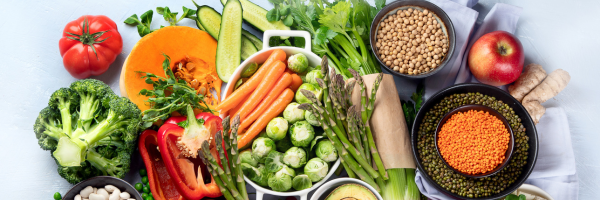
We all want to age with energy, clarity, and vitality. And according to a new study, what you eat in midlife plays a major role in how well you age.
Researchers recently identified the dietary patterns most associated with “healthy aging”—defined as reaching your 70s free of chronic diseases, with strong cognitive, physical, and mental health.
-

We often hear the phrase “you’re within the normal range” when it comes to lab work—but what if those “normal” levels aren’t actually optimal for your health?
A new study is raising important questions about one particular nutrient: vitamin B12. Especially when it comes to brain health and aging.
Let’s take a look at what this means—and what you can do to protect your brain and your energy.
-

When it comes to aging, most people think of genetics as the biggest factor—but exciting new research shows that your diet plays a major role, even at the cellular level.
Let’s dive into some recent findings, and explore how your food, stress levels, and supplements can all work together to support vibrant, healthy aging.
-

Want an easy way to boost your health? It starts with the right foods! This week, we’re diving into a fascinating study on gut health, why fiber may be more powerful than probiotics, and five superfoods to keep in your kitchen for effortless nutrition. Plus, discover why not all calories are created equal—and how choosing nutrient-dense foods can make all the difference. Read on to fuel your body the right way! 🌿✨
-

Did you know that the colors of your food can reveal their hidden health benefits? From the deep purple of elderberries to the bright orange of sweet potatoes, nature provides a built-in color code for wellness. Recent research even suggests that elderberries—long known for immune support—can boost metabolism, improve gut health, and enhance fat burning. Keep reading to discover how eating the rainbow can supercharge your health!
-

-

-

Obesity has long been linked to diabetes, with the prevailing belief that impaired insulin signaling is the culprit. However, new research is shedding light on a different mechanism.
A recent study found that obesity triggers overactivity of the body’s “fight or flight” response, releasing stress hormones that counteract insulin’s effects—even when insulin signaling remains intact.


